Man Shot Four Times in Amazonas Ambush: Police Investigate
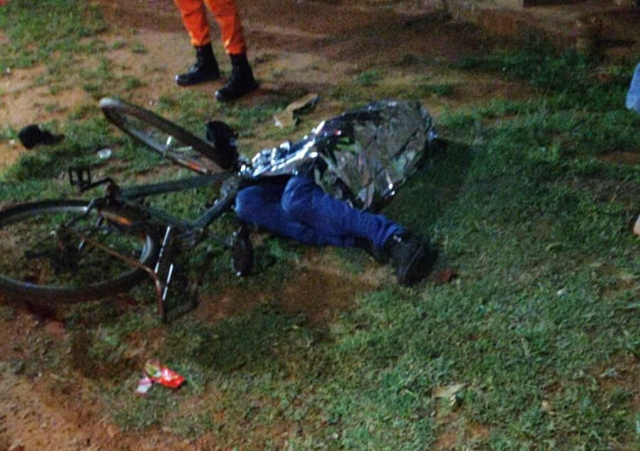
The tranquil veneer of Itacoatiara, a municipality within Brazil's vast Amazonas state, was shattered recently by a brazen ambush that left a local man dead. Identified only as Adailton, but known by his street name "Negueba," the victim was reportedly shot four times in a targeted attack. This incident, while grim, adds to a concerning tapestry of violence woven across Brazil, a reality often underscored by the public's search for information on brutal crimes, including those involving an extreme number of shots, a phenomenon often encapsulated by terms such as "Homem Morto Com 70 Tiros" (Man Killed with 70 Shots).
While the exact motivations behind Negueba's killing remain shrouded in mystery, police are actively investigating. The event highlights the persistent challenges faced by law enforcement in combating and understanding the complex dynamics of crime in both urban and more remote regions of Brazil.
The Itacoatiara Ambush: A Sudden and Fatal Attack
The ambush unfolded on a Tuesday night on Rua M, nestled within the Jardim Florestal neighborhood of Itacoatiara, a city situated in the Metropolitan Region of Manaus. According to initial reports from witnesses to the Polícia Civil, Adailton, or "Negueba," was seemingly the target of a premeditated attack. A lone suspect allegedly lay in wait outside a local mini-market, anticipating the victim's arrival.
As Negueba passed by the establishment, the assailant reportedly sprang into action, surprising him with a volley of at least four gunshots. The speed and precision of the attack suggest a deliberate execution. Following the shooting, the perpetrator fled the scene immediately, disappearing into the night without being identified. Despite emergency efforts, Negueba succumbed to his severe injuries on the spot, his life tragically cut short.
The shockwaves from such an incident ripple through the community, instilling fear and uncertainty. The lack of immediate identification of the suspect and the unknown motive are crucial aspects that the Civil Police of Itacoatiara are now diligently working to unravel. This type of targeted violence is unfortunately not uncommon in certain parts of Brazil, often linked to disputes over territory, personal vendettas, or organized crime activities. The local police face the arduous task of piecing together clues, interviewing potential witnesses, and sifting through any available evidence to bring the perpetrator to justice.
Unpacking the Broader Spectrum of Violence in Brazil
The incident in Itacoatiara serves as a stark reminder of the broader challenges related to public security across Brazil. The nation grapples with high rates of violent crime, which manifest in various forms, from street robberies to highly organized and brutal homicides. The intensity of some of these crimes often resonates deeply within communities and online searches, with phrases like "Homem Morto Com 70 Tiros" becoming shorthand for extreme, often execution-style violence that shocks the public conscience.
While the Amazonas ambush involved four shots, the public's search for such extreme instances reflects a wider concern about the severity of violence. These cases, whether involving a few shots or a high-caliber fusillade, often point to underlying issues such as:
- Organized Crime: Factions battling for control of drug trafficking routes or other illicit activities.
- Personal Vendettas: Disputes that escalate into deadly confrontations.
- Lack of State Presence: Particularly in more remote or underserved areas, where law enforcement may have limited reach or resources.
- Availability of Firearms: The proliferation of illegal weapons contributing to the lethality of conflicts.
Understanding these contributing factors is crucial for developing effective strategies to combat violence. The Itacoatiara case, with its unknown motive and fleeing suspect, encapsulates many of these challenges. It underscores the ongoing need for robust policing, intelligence gathering, and community engagement to disrupt criminal networks and ensure public safety.
For more insights into regional crime patterns, you can read about Violent Deaths Reported in Brazil's Amazonas and Piauí, which provides a broader context to these tragic events.
The Piauí Tragedy: A Separate but Echoing Case
The shadow of violence extends beyond Amazonas, as exemplified by another recent tragedy in Teresina, Piauí. In a chilling incident that occurred on a Friday night, 48-year-old Rubervam Rios Ferreira was brutally murdered, shot in the head in the Cidade Nova neighborhood, South Zone of Teresina. Adding a gruesome layer to the tragedy, after he had fallen on Avenida 15 de Novembro, his body was subsequently run over by a vehicle.
Rubervam was reportedly the nephew of former football star Panzilão, who notably played for clubs like River, Botafogo, Auto Esporte, and Tiradentes. This personal connection, though not directly related to the crime's motive, often amplifies the public's awareness and emotional response to such events. Similar to the Itacoatiara case, the perpetrators and their motivations remain unknown, leaving a void of unanswered questions for investigators and the victim's family.
The Military Police were the first responders, and the Instituto Médico Legal (IML) was called to the scene for the necessary procedures, including the removal of the body. The case has since been handed over to the Departamento de Homicídio e Proteção à Pessoa (DHPP), a specialized homicide department, which will lead the investigation. The combination of a targeted shooting and the subsequent atropellation of the body suggests a callousness that underscores the extreme nature of some violent crimes. Such incidents demand meticulous investigative work, from forensic analysis to witness interviews, to piece together the sequence of events and identify those responsible.
Further details on this incident can be found in an article dedicated to the Piauí Homicide: Man Shot in Head, Body Atropellated.
Challenges in Investigating Homicides and the Path to Justice
Investigating homicides in Brazil, particularly in areas like Amazonas and Piauí, presents a unique set of challenges. These can range from geographical complexities to socio-economic factors:
- Resource Limitations: Police forces in many regions, especially remote ones, often operate with limited personnel, equipment, and forensic capabilities.
- Fear of Retaliation: Witnesses may be reluctant to come forward due to fear of reprisal from criminals, hampering investigations.
- Informal Settlements and Surveillance Gaps: Areas with irregular urban planning or fewer surveillance cameras can make it harder to track suspects or gather evidence.
- Organized Crime Influence: When criminal organizations are involved, investigations can be complicated by their ability to silence witnesses, destroy evidence, or evade capture through sophisticated networks.
To overcome these hurdles, a multi-faceted approach is essential. Law enforcement agencies often rely on a combination of traditional police work and modern investigative techniques. This includes:
- Community Engagement: Building trust with local communities to encourage information sharing.
- Forensic Science: Utilizing ballistics, DNA analysis, and digital forensics to uncover clues.
- Interagency Cooperation: Collaborating with federal and state agencies to pool resources and intelligence.
- Specialized Units: Employing units like DHPP, which possess specific expertise in homicide investigations.
For citizens, contributing to public safety involves being vigilant and reporting suspicious activities. While fear is a natural response, secure channels for reporting information can empower communities to assist investigations without putting themselves at undue risk. Governments, in turn, must prioritize investment in law enforcement training, technology, and resources to strengthen their ability to combat violent crime effectively.
Conclusion
The tragic death of Adailton "Negueba" in Itacoatiara and Rubervam Rios Ferreira in Teresina are grim reminders of the pervasive issue of violent crime in Brazil. From targeted ambushes to the chilling prevalence of extreme brutality implied by phrases like "Homem Morto Com 70 Tiros," these incidents highlight the urgent need for comprehensive solutions. While police in Amazonas continue their investigation into the four-shot ambush, and DHPP in Piauí delves into the complexities of a homicide marked by a headshot and a subsequent atropellation, the collective pursuit of justice remains paramount.
Effective law enforcement, bolstered by community cooperation and strategic government initiatives, is crucial for addressing the root causes of violence, ensuring accountability, and ultimately, fostering safer environments for all citizens. Only through sustained effort and a commitment to justice can Brazil hope to mitigate the human cost of these pervasive tragedies.